A working definition
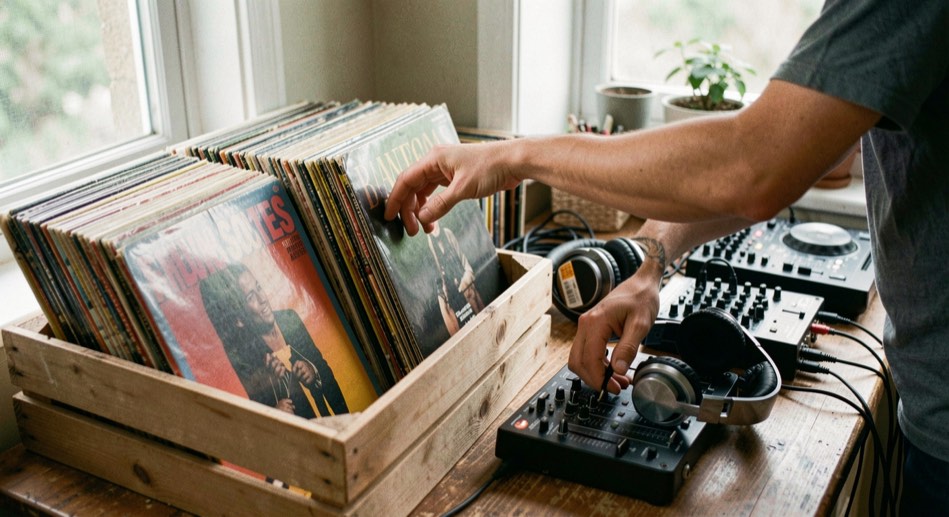
For this bulletin, rhythm and blues means music chosen for its groove, phrasing and invitation to move. The term covers a wide historical field, so the useful question is what a recording does in the room, not whether it fits a narrow shelf. That approach respects both music history and dancers. It also prevents a local club’s vocabulary from being stretched into a claim about every R&B tradition.
Listen for the backbeat
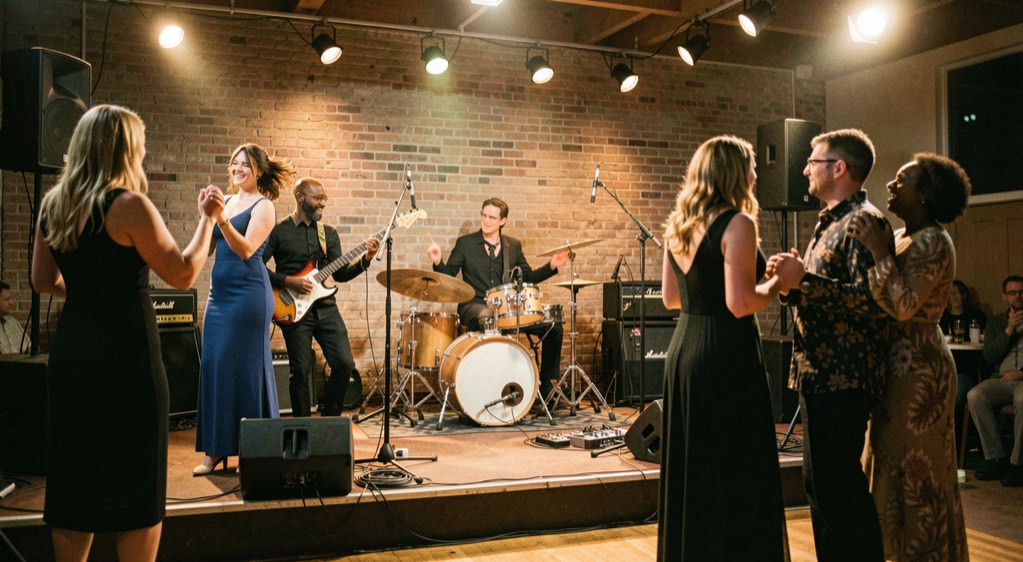
Dancers often respond to a strong pulse, clear phrases and room for a partner to answer. A song can be musically complex and still be socially readable when the groove remains grounded. Listen for where the rhythm repeats, where the singer leaves space and where the arrangement asks the body to change direction. These are practical observations, not a ranking of musical worth.
A listening protocol
Hear a track once without moving, then once while marking the pulse with a small step. Notice whether the phrase is easy to predict and whether the breaks invite a choice or create a trap. In a social room, test the recording at a modest volume before using it as a peak moment. Give the floor time to answer rather than deciding from the booth alone.
Errors in genre talk
One error is treating R&B as a single sound with one dance attached. Another is naming a record’s cultural history without naming the musicians or source. A third is using the word as permission to flatten Black musical traditions into background energy. Good dance writing can be concise while still crediting origins, context and the people whose records carry the night.
What Cincinnati can and cannot prove
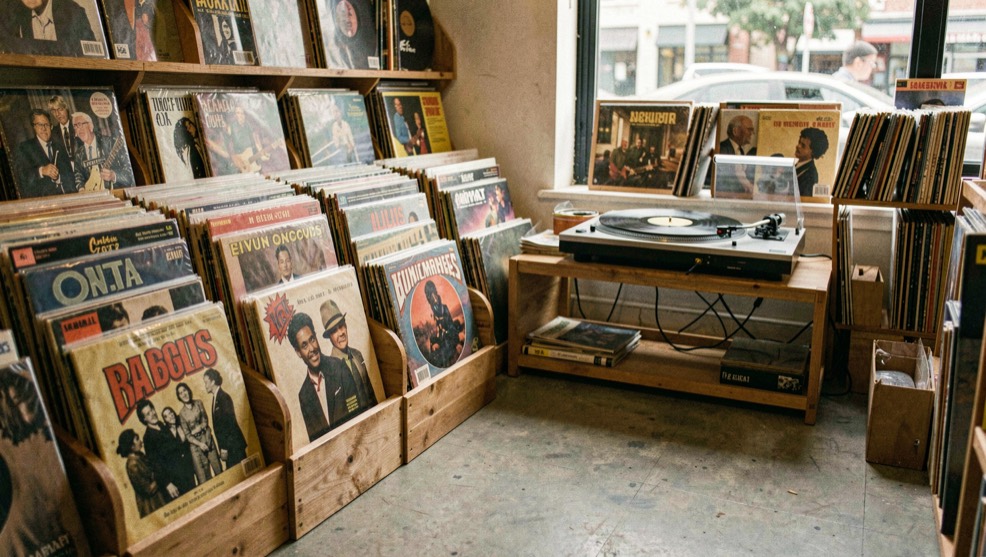
The archive shows that one Cincinnati club described its music library as largely good old R&B and valued its danceability. That is strong evidence for the club’s own practice. It is not evidence that Cincinnati has one official R&B style or that every dancer hears the category the same way. Local history gains strength when its boundaries stay visible.
A floor example
A DJ pairs a familiar vocal record with a less obvious instrumental whose pulse is equally clear. New dancers recognise the first track, then notice that the second gives them different room for footwork. A teacher later uses that contrast to explain phrase length. The music becomes a lesson without turning the social into a lecture.
Source trail
The archived home page supplies the local statement about R&B and danceability. Cincinnati arts and library resources can widen the musical history, while current DJs provide the best evidence for what a present room is hearing. The bulletin links outward rather than presenting a playlist as a definitive city canon.
Read the room, name the source and leave space for the next dancer. That is a useful rule whether the page is an archive record or a current lead.