The Cincy Bop timeline
Documents first, current leads second. This is a readable path through the Cincinnati Bop Club record and the regional dance life around it.
Five marks in the ledger
The old routes remain visible in the research folder and Worker map. The public index keeps the history concise and does not pretend an archived schedule is current. The timeline is a dossier, not an event widget: its value is the relationship among dated documents, club functions and present discovery paths. Each entry names what the source can support, then stops before memory becomes fact.
Archive flyer
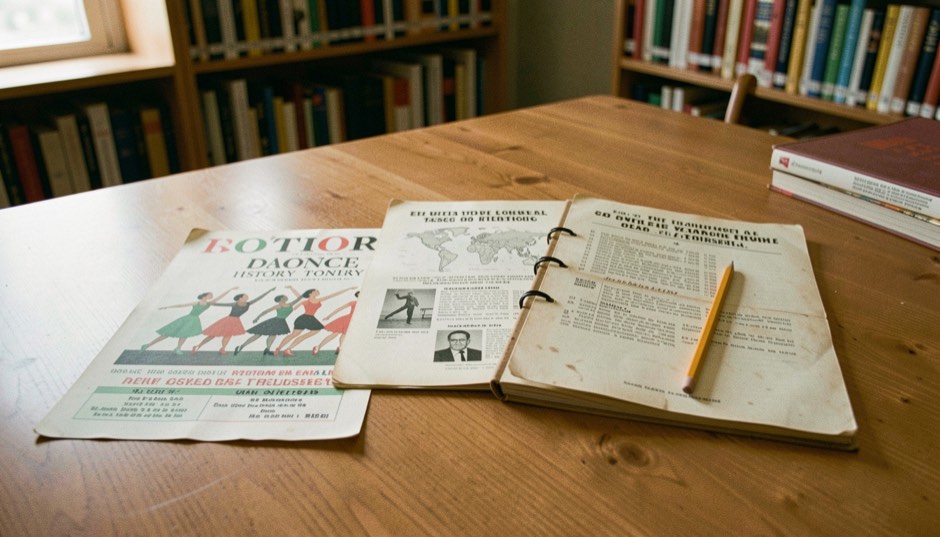
A Cincinnati Bop Club flyer places a National BOP Association convention in downtown Cincinnati.
Historical flyer recordFirst archive marker
The surviving home page says the Cincinnati Bop Club exists to promote and preserve bop, jitterbug, shag, swing and rhythm and blues dancing.
Archived home pageMusic library
The DJ page describes a music-research role, an annual picnic and R&B records chosen for dancing.
Archived DJ pageTuesday room
The archive holds lessons, a weekly dance, a map and floor rules connected to Jim & Jack’s On the River.
Archived club pagesA new index
Cincy Bop Bulletin keeps the archive visible while directing current questions to current organizers.
This editionKeep the route, keep the label.
Open the preserved pages for original context, then return to the bulletin for a shorter reading and a current discovery path. The archive includes a home page, lesson page, DJ page, schedule, map and floor rules. Together they show how a club explained participation, not just how it advertised a night.
The research method avoids turning a 2001 address into a current recommendation. It also avoids copying old prose or exposing old contact details as if they still worked. A useful archive should help a reader understand what happened and what needs a new source.
Also worth a read: small hotels across Europe.