Move first
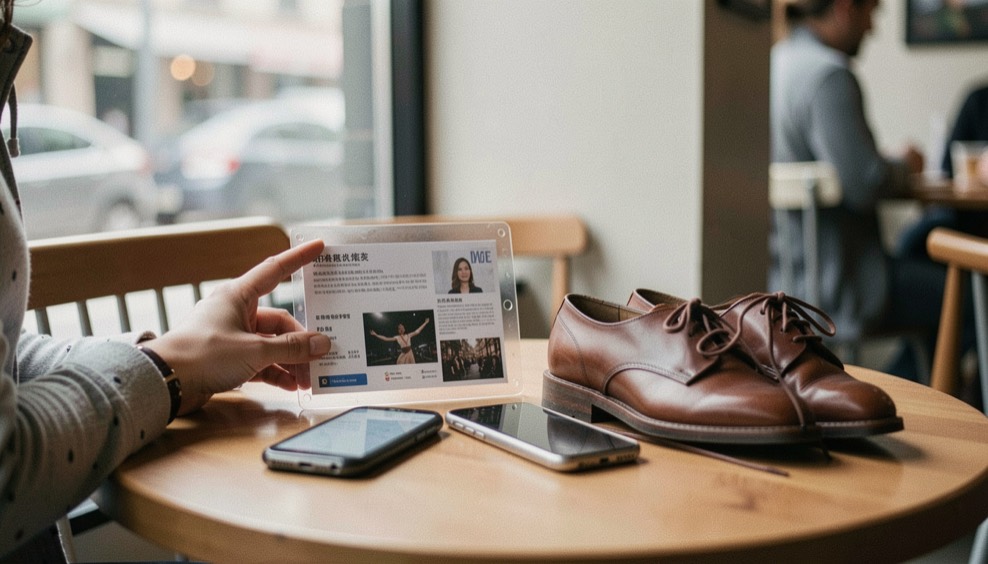
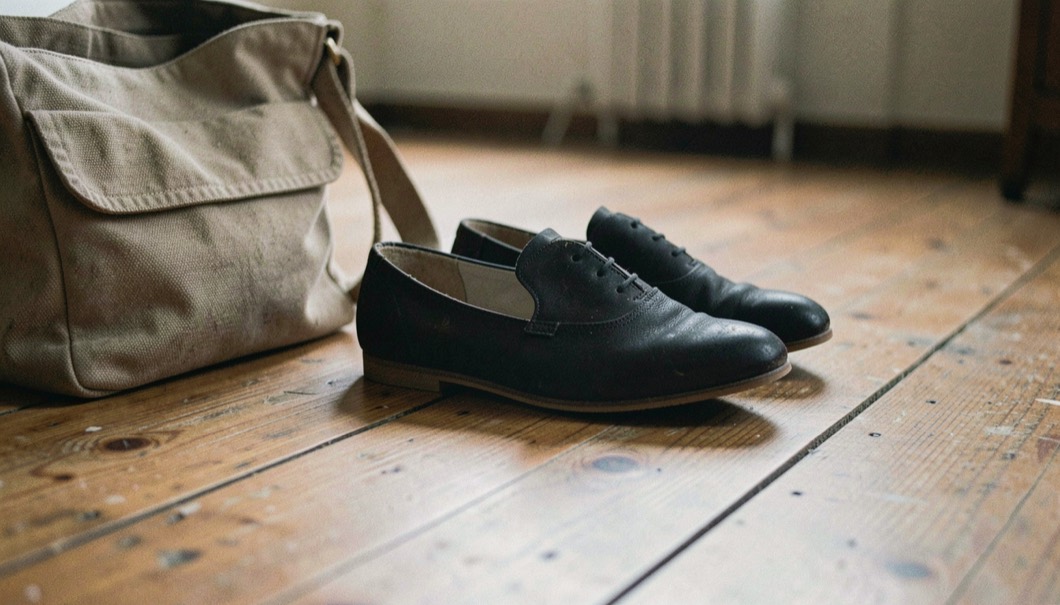
Choose clothes that let your shoulders, hips and knees move without constant adjustment. A relaxed fit often serves social dancing better than a costume that needs guarding. Look for secure closures, breathable layers and fabric that will not catch a partner’s hand. Style can be expressive, but it should not make a simple weight change feel like a negotiation with your wardrobe.
Read the room
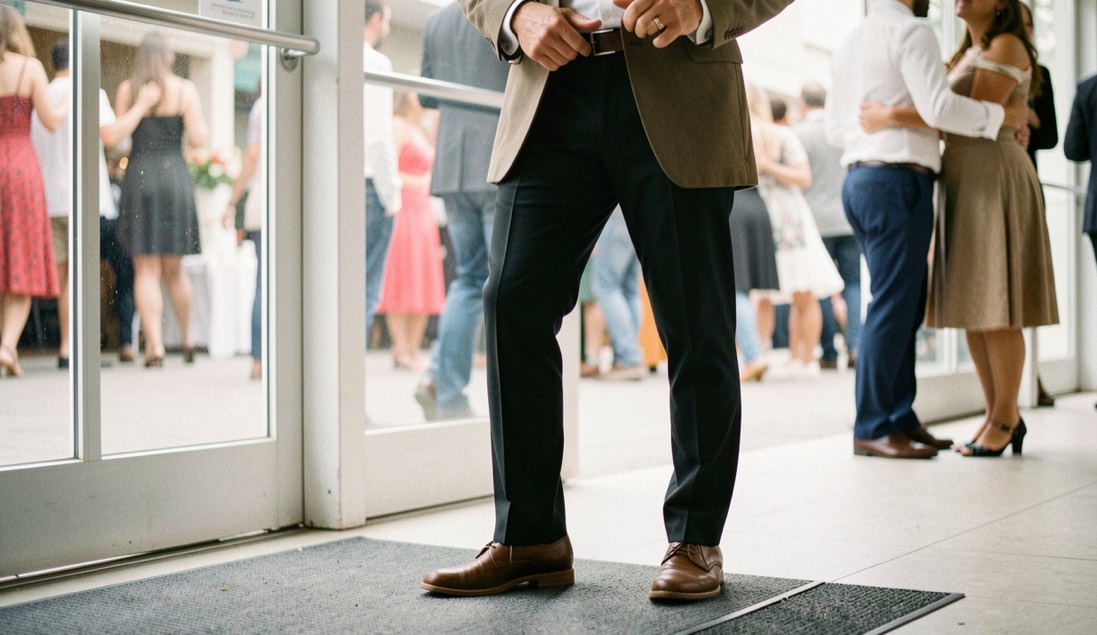
Some events are casual, some are dressier and some use a historic venue. Look at the organizer’s language, then bring one layer for temperature rather than solving every possibility with a new outfit. A social dance is a shared environment, so a useful outfit balances your own expression with the practical space of the people you will dance with.
A preparation protocol
Wear the outfit at home and sit, walk and turn in it. Check that a pocket does not press into a partner, that jewelry cannot catch clothing and that a hem stays secure. Pack a light change for a long night. Arrive with enough time to adjust before the lesson, not while standing in the first partner rotation.
Style errors
The first error is dressing for a photograph rather than for movement. The second is assuming vintage means fragile, restrictive or historically exact. The third is forgetting heat. Layers, water and a clean backup often do more for a dancer than a perfect silhouette. A room full of different decades and bodies is healthier than a room enforcing one look.
The archive and the present
The old Cincinnati pages describe a club room, lessons and social dancing, but they do not prescribe a present dress code. Current events may have their own theme or venue expectation. An archive can show how a community once framed its activity; it cannot tell a reader whether tonight’s organizer wants formal clothing or comfortable shoes.
A concrete example
A newcomer chooses trousers that allow a deep knee bend, a breathable shirt, secure shoes and one removable layer. A regular adds a colourful scarf that stays tied and out of the connection. Both outfits work because they support movement and conversation. The room gains style from the people in it rather than from a uniform imposed on them.
Source trail and limits
The bulletin uses the historical club pages as setting evidence and current organizer pages for any theme or venue request. We do not present a trend report, a dress-code mandate or a shopping list. If a reader needs a specific answer, the event host is the source for the event and the dancer remains the expert on their own comfort.
Read the room, name the source and leave space for the next dancer. That is a useful rule whether the page is an archive record or a current lead.
One more field note
Clothing choices can be generous without becoming anonymous. A bright colour, a vintage reference or a comfortable hat can belong in the room when it stays secure and does not obstruct a partner. The question is not whether a dancer looks authentic enough. It is whether the outfit lets them listen, move, rest and return. Social style grows from many bodies solving the same practical problem in different ways.