Visible and invisible work
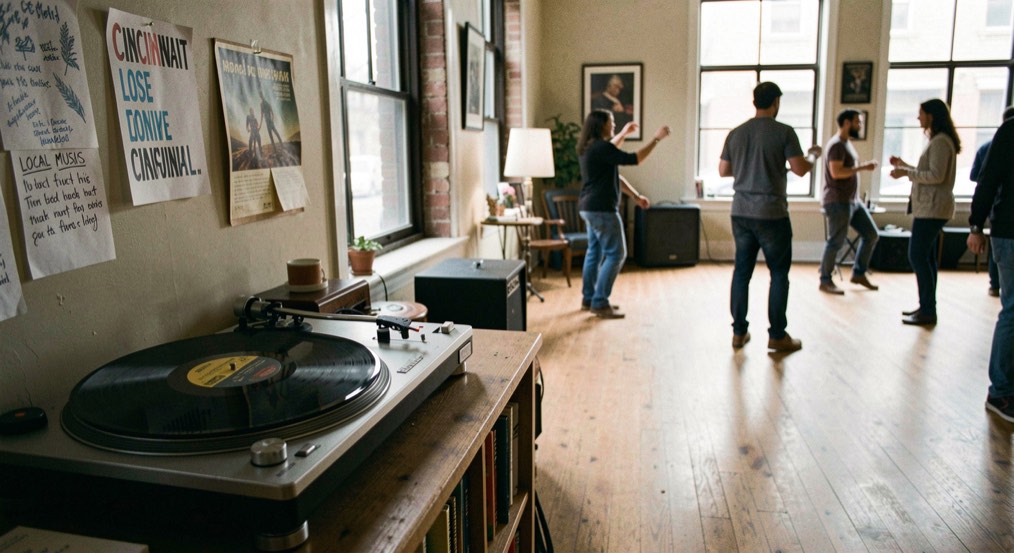
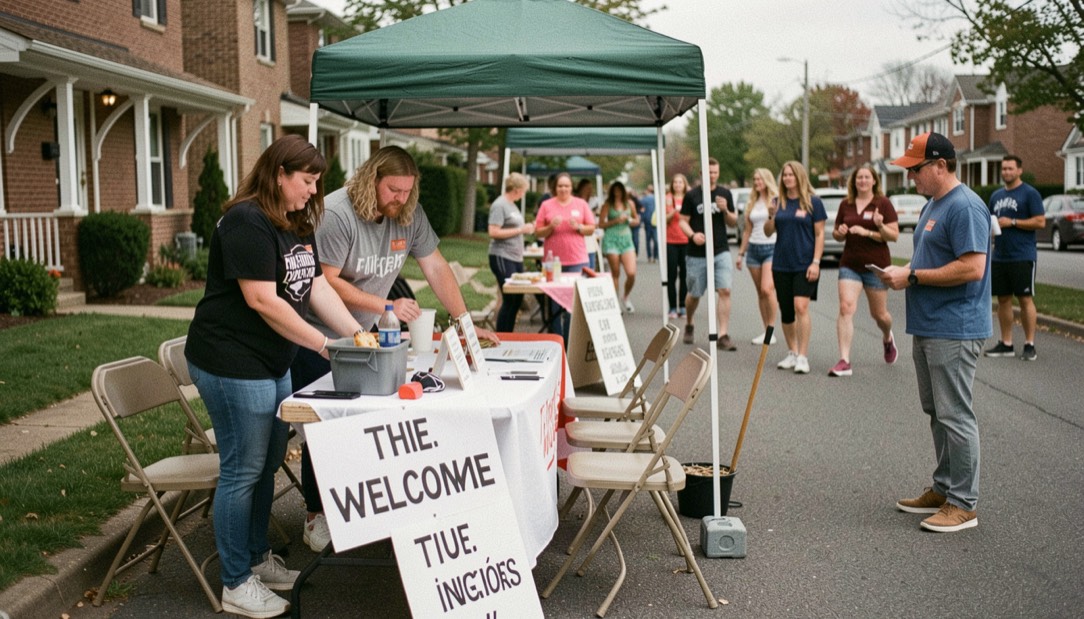
Door greetings, floor checks, setup, cleanup, music support and answering the same beginner question all shape the night. A dance can look effortless because someone handled the details before the first song. Naming the work helps a community share it, thank people accurately and avoid building a recurring event around one person’s exhaustion.
Make the ask specific
A two-hour task with a clear handoff is easier to accept than a vague request to help somehow. New volunteers need a path into the work too. Explain what the job is, where to arrive, who to report to and what happens if they need to leave. Specific asks make volunteer culture more accessible than praise alone.
A volunteer protocol
Create a short run sheet with setup, door, floor, music, water and close-down roles. Pair a new helper with someone who knows the room. Give each role a boundary and a stopping time. After the event, record what went wrong without turning the debrief into blame. The next night should inherit information, not just goodwill.
Errors communities make
Groups can assume the same reliable people will always say yes, or confuse enthusiasm with unlimited capacity. They can also reward visible performance while ignoring cleanup and communication. A volunteer system fails when the work is private, the expectations are unclear or the only path to influence is taking on more unpaid labour. Share the keys as well as the tasks.
Why archives should remember it
A club page that lists a DJ or a founder does not show all the people who made the room possible. Current scene notes can document volunteers, systems and ordinary contributions without turning a service role into a personality profile. That fuller record helps future organizers understand that community is built by infrastructure and care, not only by names on a poster.
A night example
Before a dance, one volunteer tapes a loose cable, another welcomes solo arrivals and a third checks that the lesson space stays clear. At closing, each person knows who takes the sign down and where lost items go. The dancers may never see the whole system, but they feel the result in a room that is calmer and easier to enter.
Source trail and limits
CincyHop’s current community pages provide a reference for volunteer and nonprofit activity. The bulletin does not claim a complete roster or assign work to any group. It offers a checklist for asking how a night is made and invites organizers to share corrections or better practices through contact@cincibop.com.
Read the room, name the source and leave space for the next dancer. That is a useful rule whether the page is an archive record or a current lead.
One more field note
A volunteer record should also respect boundaries. Not everyone can work the door, carry equipment or stay late, and a community should not treat availability as commitment. Offer jobs that can be done seated, remotely or for a short shift. Explain who has authority when a problem appears. When people can contribute without surrendering their evening, the work becomes sustainable and the room gains more than one dependable helper.