Publish the basics
Date, venue, start time, lesson level, social-dance time, cost, registration and a contact path belong near the top. If something is tentative, label it. Dancers are often deciding whether to drive, arrange childcare, bring a partner or arrive alone. Clear basics respect that planning work and make the event easier to share without adding a paragraph of interpretation.
Explain the room
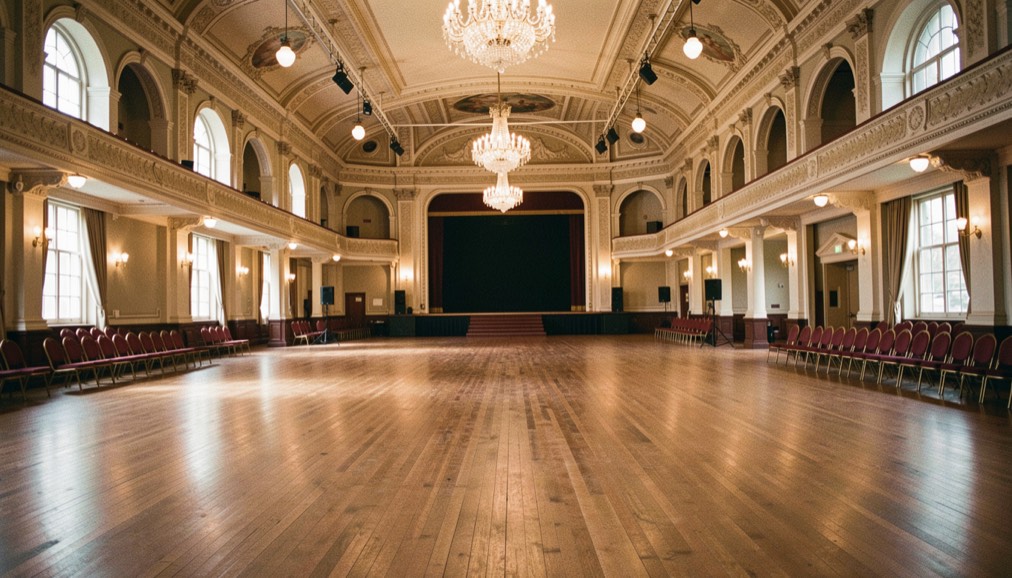
A short note about parking, floor type, partner rotation, accessibility and food or drink policy can make a first visit much easier. These details are not clutter. They are the information that lets someone decide whether the room works for them. If the answer is not known yet, say when it will be confirmed instead of filling the space with optimistic language.
An organizer protocol
Draft the listing from the person arriving at the door. Test every registration link, check the map pin, name the lesson level and put the day’s schedule in one place. Assign a person to answer questions and a person to update changes. After the event, archive the page or mark it past. A clean public record helps the next organizer as well.
Common publication errors
A poster may show the wrong time after a schedule change. A recurring event can retain an old address in a search result. A registration button may point to last year’s form. These failures are avoidable with a final source check and a dated “last updated” line. Good event communication is a small technical system, not just attractive copy.
Welcome is operational
Beginner welcome is not only a tone. It can be expressed through a clear lesson label, partner information, a person at the door and permission to watch. A venue’s access statement and a dance’s floor expectations also matter. When those pieces are visible, new dancers spend less energy decoding the event and more energy deciding whether they want to join it.
A listing example
An organizer posts “Saturday social” with a time, but no lesson level or entrance details. The checklist adds a short schedule, a venue link, a contact path and a note that solo arrivals are welcome. The content is not much longer, but the reader can now act. The extra value comes from the missing decisions, not from more adjectives.
Source trail and limits
CincyHop and Swing N’ Cincy provide current examples of organizer-facing event information. The bulletin is not an event-management service and cannot certify a listing. Organizers own their dates, prices, policies and cancellations. This guide is a practical editorial checklist for making those facts easier to find and harder to misread.
Read the room, name the source and leave space for the next dancer. That is a useful rule whether the page is an archive record or a current lead.
One more field note
A reliable listing also carries a correction path. If the room changes, the old sentence should not remain at the top of search results without a note. If the event is cancelled, mark it cancelled and leave the date visible as history. Readers do not need a perfect feed; they need to know whether the information is current, where it came from and what to do when it is wrong. That is the difference between a decorative event page and a useful community service.